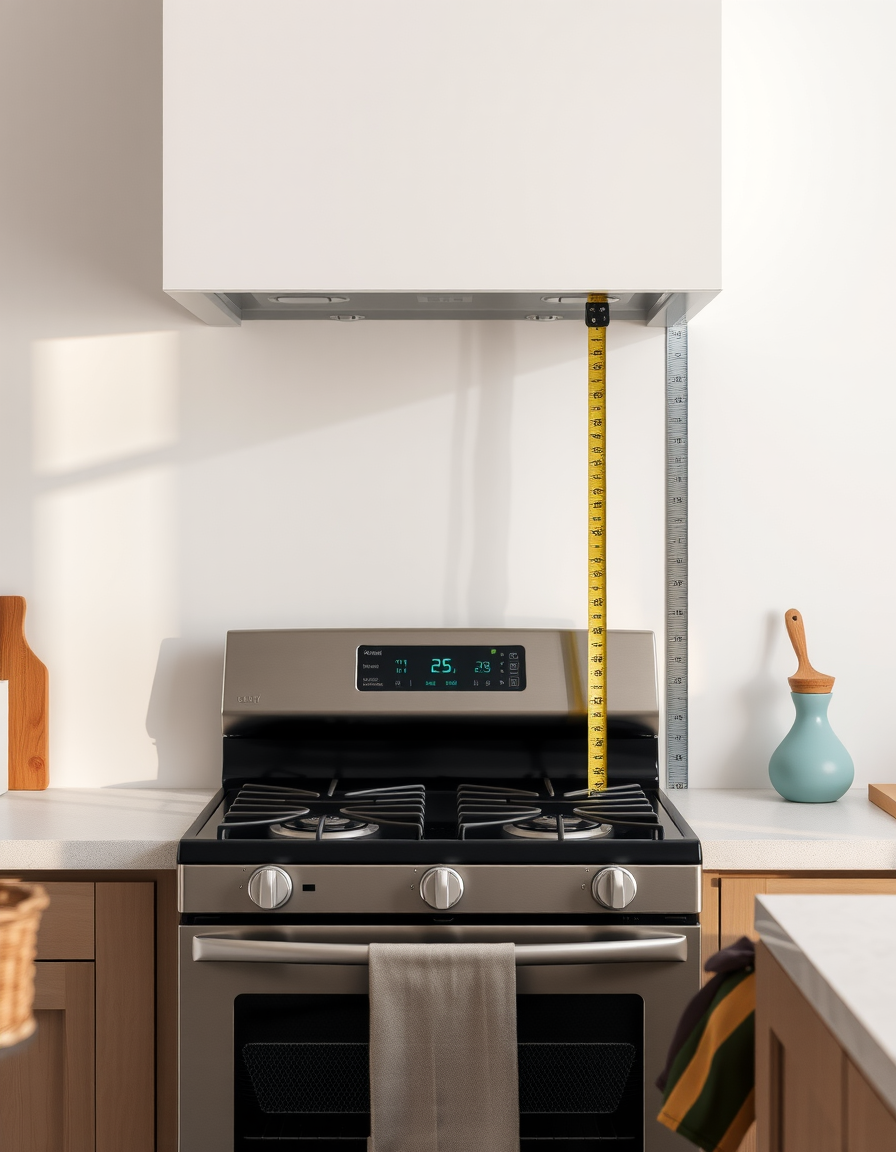
How to decorate above kitchen cabinets

Affiliate Disclosure: DecorDesignIdeas.com is a participant in the Amazon Services LLC Associates Program, an affiliate advertising program designed to provide a means for sites to earn advertising fees by advertising and linking to Amazon.com.
As an Amazon Associate, we earn from qualifying purchases. This comes at no extra cost to you.
How to decorate above kitchen cabinets
The gap between the top of your kitchen cabinets and the ceiling is one of those spaces that everyone notices and nobody knows what to do with. It collects dust, looks empty, and the internet offers two extremes: stuff it with fake ivy and roosters, or leave it bare and call it “minimalist.”
DecorDesignIdeas Editorial treats the gap as a grease ledger first. We compare Epicurious designer notes on oil-and-dust pockets, The Spruce’s liner-and-degrease write-up, and what actually happens eight feet up next to a range. This desk does not inventory kitchens, and we do not cite a fake ASID “always fill the gap” survey.
Neither “cover it in ivy” nor “always leave it bare” is complete. The right approach depends on the gap height, your kitchen style, and how often you’re willing to climb a stool.
If the counters are the real problem, start with small kitchen storage hacks. The island is a different surface in kitchen island decor and styling. Ambient glow from the same ceiling plane is in kitchen lighting guide.
Listing check: basket, faux-trailing, and LED-strip links below are tagged Amazon searches we use to compare listed height and length. We are not copying Amazon “finishes any kitchen” copy. Measure the gap and the grease zone before you order.
Before you buy for the gap
Tape the height and decide whether you will clean it. A pretty urn you will not wipe is worse than an empty ledge.
- Measure the gap, not the vase in the cart. Under 6 inches takes trim or nothing. A 14-inch vase in a 10-inch gap is a wedge.
- Map the grease zone. Epicurious quotes designer Karen Asprea on this exact pocket: dust plus cooking oil sticks, especially above the range. Cookbooks and linens do not belong there. Wipeable ceramic and glass do.
- Decide the liner plan. The Spruce’s published cleanup note is parchment, foil, or wax paper on the cabinet tops so the next clean is a peel, not a scrub. If you will not line it, pick objects you can lift in one trip down the stool.
- Check vents and cans. Decor that blocks a soffit vent or a recessed can is a heat and dust problem, not a vignette.
- Be honest about watering. Real plants above cabinets are a long-neck can and a drip risk. If the gap is dark, faux trailing greenery is the adult choice.
When to skip the “styled gap”
| Move | Do it when | Skip it when |
|---|---|---|
| Crown or fascia to close it | Gap is under about 6 inches, or you want the dust shelf gone | You need the ledge for rare storage you will actually label |
| Trailing greenery | You will rinse or wipe the leaves, and the pot stays out of the grease plume | Fake ivy garland draped the full run; it dates the room and traps film |
| Baskets as storage | Lidded, and the contents are seasonal, not weekly | Open wicker above the range; grease embeds in the weave |
| Pottery row | Gap is 12 inches or more and pieces are large enough to read from the floor | A flock of small figurines that reads as clutter from the table |
| Cookbooks up there | Far from the range, and you never need those titles mid-recipe | The only copies you cook from; you will not climb for Tuesday pasta |
| LED strip wash | You can hide the tape at the back edge and match Kelvin to the rest of the kitchen | A 5000K strip next to 2700K pendants; that clash gets blamed on the paint |
| Leave it empty | Gap is short, the kitchen is already busy, or you will not dust | You fill it anyway “so it looks finished” and then ignore it |
A rental that cannot take crown should start with a liner and two large wipeable pieces, or with nothing. Reversible path notes live in renter-friendly decor hacks.
First: measure the gap
The height of the space above your cabinets determines what can actually go there.
| Gap height | What fits | Approach |
|---|---|---|
| Under 6 inches | Almost nothing | Leave it bare or install crown molding |
| 6–12 inches | Flat items, small decor | Low baskets, artwork leaning against the wall |
| 12–18 inches | Medium decor, books | Vases, pottery, baskets, cookbooks |
| Over 18 inches | Tall items, plants | Large vases, trailing plants, oversized art |
Trying to place a 14-inch vase in a 10-inch gap creates a cramped look. Measure first, shop second.
Option 1: Close the gap with crown molding or trim
If you want the space to disappear, extend the cabinets to the ceiling visually by adding crown molding along the top. This creates a built-in look and eliminates the dust-collecting shelf entirely.
How: Attach standard crown molding (3 to 5 inches) along the top edge of the cabinets using finish nails or adhesive. Paint it to match the cabinets or the ceiling. For a bolder look, add a flat board (1x6 lumber) across the top of the cabinets first, then attach molding to that board.
Cost: $30–$80 for materials in a standard kitchen. A carpenter charges $200–$400 for professional installation. Those are current home-center and labor bands, not a bid we wrote.
Best for: Modern kitchens, small kitchens where you want a clean line, kitchens with less than six inches of gap.
Martha Stewart’s designer notes make the same close-it option: a lightweight box plus crown if you want the gap gone without a full cabinet run.
Option 2: Greenery and trailing plants
Plants are the most popular above-cabinet decoration for good reason. They soften the hard lines of cabinets, add color, and fill the space organically.
Real plants that work:
- Pothos: trails beautifully, survives low light and neglect
- Spider plant: arching leaves spill over the edge naturally
- English ivy: classic trailing look, needs moderate light
Faux plants that work: Real plants above cabinets are hard to water and hard to clean. Quality faux trailing greenery is a legitimate option when the gap is dark or greasy. Place them in woven baskets or ceramic pots so the fake stems aren’t visible.
Epicurious’s Jae Joo note is the one this desk uses for live plants: trail downward. Upward growers hit the ceiling and look cramped.
Placement: Set plants at the corners and one in the center. Three pieces across a standard run is a starting count, not a requirement. One large trailing pot beats five small ones you will not wipe.
Cost: $10–$30 per faux plant, $5–$15 per real plant plus pots.
Browse faux trailing pothos and read listed vine length against the gap, not the packed product shot.
Option 3: Baskets and woven storage
Woven baskets in a row above the cabinets add texture and actually function as storage. Use them for items you rarely need: holiday serving dishes, extra table linens, picnic supplies.
Best basket types:
- Rectangular wicker baskets that sit flat against the wall
- Round rattan baskets with lids (hide contents, reduce dust)
- Woven market baskets in varied sizes for a collected look
Arrangement: Use odd numbers, three or five baskets of varying sizes, if the run is long. Alternate large and small rather than lining up identical baskets. Mix natural rattan with a white or black painted basket for contrast.
Keep lids on anything above the cooktop. Open weave holds grease.
Cost: $10–$25 per basket at HomeGoods, Target, or thrift stores.
Browse lidded rattan storage baskets and check listed height against the gap.
Option 4: Pottery and ceramics
A curated collection of pottery, mixing heights, shapes, and finishes, creates a gallery effect above the cabinets.
What works:
- Ceramic vases (mix tall and short)
- Handmade bowls displayed upright
- Stoneware pitchers or crocks
- Terracotta pots (even empty ones)
Color approach: Stick to a two-tone palette. All-white pottery looks clean and modern. A mix of cream and terracotta feels warm and Mediterranean. Avoid rainbow collections of colored ceramics, they read as “shelf of random mugs” from across the room.
Spacing: Leave a few inches between each piece so you can lift one without dragging the next. Overcrowding the space makes it look cluttered rather than curated.
Cost: $5–$30 per piece at thrift stores, $15–$50 at retail.
Option 5: Cookbooks and vintage books
A row of cookbooks leaning against the wall (not standing upright and packed tight) creates a casual, kitchen-appropriate display. This works best in gaps of 12 inches or more, and only on the run farthest from the range.
How to arrange: Lean books at a slight angle, alternating tall and short. Place a small object between groups, a wooden spoon, a small plant, a ceramic dish, to break up the row.
What to avoid: Don’t turn the space into a library. Ten to fifteen books maximum for a full-width cabinet run. More than that looks like overflow storage rather than decor. Paper and grease are a bad pair.
Cost: $0 if you already own cookbooks. $2–$5 per book at thrift stores.
Option 6: Artwork leaned against the wall
Framed prints, vintage signs, or unframed canvases leaned against the back wall create a casual gallery. This works especially well in gaps under 12 inches where the art sits low and the top is visible from below.
Best art types:
- Botanical prints in simple frames
- Vintage kitchen or market posters
- Abstract art in muted tones
- Black-and-white photography
Arrangement: Overlap frames slightly for a layered look. Three frames in graduated sizes is the safest arrangement. Glass in the grease zone needs the same wipe as pottery.
Cost: $10–$30 per print, or free if you print your own and use thrift store frames.
Option 7: Lighting
LED strip lights or puck lights installed above the cabinets turn the gap into an ambient light feature. The light bounces off the ceiling and creates a warm glow that makes the kitchen feel taller and more inviting, especially in the evening.
Best options:
- LED strip light along the back edge of the cabinet tops (hidden from view, light washes the ceiling)
- Battery-powered puck lights for renters who can’t hardwire
- Rope light coiled along the top for a softer glow
This can be combined with any other option. Plants with a ceiling wash look especially good.
Match Kelvin to the rest of the kitchen. A 2700–3000K strip next to 2700K pendants is one family. Task-layer rules for the same room are in the kitchen lighting guide.
Cost: $15–$30 for an LED strip kit.
Browse 2700K LED strip lights and check listed length against the cabinet run, plus whether the kit is plug-in or hardwired.
Option 8: Leave it empty (intentionally)
If the gap is under six inches, if your kitchen is already visually busy, or if you simply don’t want to dust objects eight feet off the ground, leaving the space empty is a valid design choice.
Make it look intentional: Paint the wall behind the cabinets the same color as the cabinets or the same color as the ceiling. This minimizes the visual gap and makes the space read as “finished” rather than “forgot about that part.”
Desk note: An empty gap with a painted plane is a decision. An empty gap with scuff marks and a forgotten cake stand is not.
What not to put above kitchen cabinets
| Item | Why it doesn’t work |
|---|---|
| Fake ivy garlands | Collect grease and dust, look dated, hard to clean |
| Wine bottle collections | Read as “ran out of counter space,” not decor |
| Themed figurines | Roosters, chickens, chef statues; these date a kitchen instantly |
| Cardboard boxes | Visible storage boxes look like a garage, not a kitchen |
| Too many items | Overcrowding creates visual noise in a room that already has a lot going on |
Cleaning and maintenance
Everything above the cabinets collects kitchen grease and dust. Plan for maintenance:
- Baskets and pottery: Wipe down every few months with a damp cloth. Degrease if you cook often.
- Faux plants: Rinse under the shower, shake dry. Do not leave dusty silk above a range.
- Real plants: Water with a long-necked can. Ice cubes are a slow-release habit some cooks use; they still drip.
- Books: Dust often or keep them off the cooktop run.
- Molding/trim: Wipe during your regular kitchen deep clean.
The Spruce’s liner trick is the one this desk repeats: paper or foil on the tops, replace it when it looks like a kitchen. If you won’t clean it, don’t put it up there. Greasy, dusty decor is worse than an empty gap.
A peel-and-stick backsplash on the wall below is a different surface and a different clean. That path is in peel-and-stick backsplash for a renter kitchen. Tile and trend notes are in kitchen backsplash ideas on a budget.
Above-cabinet decor by kitchen style
| Kitchen style | Best approach | Why |
|---|---|---|
| Modern/minimal | Crown molding or LED lighting | Clean lines, no clutter |
| Farmhouse | Baskets + greenery | Texture and warmth |
| Traditional | Pottery + cookbooks | Classic and collected |
| Bohemian | Trailing plants + layered art | Organic and eclectic |
| Industrial | Leave empty or add Edison bulb lighting | Matches the raw aesthetic |
Bottom line
Measure the gap first. Under six inches, close it with trim or leave it bare. Over six inches, pick one approach, greenery, baskets, pottery, books, or art, and commit to it. Don’t combine five different strategies across one cabinet run. One cohesive look beats a cluttered mix every time, and anything you place up there needs to be something you’ll actually dust.
Frequently asked questions
Should I extend cabinets to the ceiling instead of decorating the gap?
If you’re doing a kitchen renovation, yes. Floor-to-ceiling cabinets maximize storage and eliminate the decorating question entirely. If you’re not renovating, crown molding or a fascia board creates the same illusion for a fraction of the cost.
How do you keep the space above cabinets from getting dusty?
Line the top of the cabinets with parchment paper or shelf liner before placing any decor. When it’s time to clean, remove the liner with all the dust, replace it, and put the decor back. This saves you from scrubbing grease off the cabinet tops.
Can you put real plants above kitchen cabinets if there’s no window nearby?
Pothos and spider plants tolerate low light, but they won’t thrive without some indirect light. If the space is far from any window, faux plants are the better long-term choice. Real plants in dark conditions grow leggy and lose leaves.
Related guides
- Kitchen backsplash ideas on a budget
- Kitchen backsplash trends 2026
- Kitchen island decor and styling
- Kitchen lighting guide: task, ambient, and accent layers
- Small kitchen storage hacks
- How to style a bookshelf, same large-object edit on a lower shelf
Sources
- Grease pocket above the range, wipeable objects, trailing plants: Epicurious, How to Make the Space Above Kitchen Cabinets Look Good
- Degrease, then line the tops with parchment or foil: The Spruce, How to Keep the Gap Between Kitchen Cabinets and the Ceiling Clean
- Close the gap with a faux extension and crown: Martha Stewart, What to Do With the Space Above Your Kitchen Cabinets