Scandinavian Interior Design Guide: Principles, Palette, and Room-by-Room Tips
Affiliate Disclosure: DecorDesignIdeas.com is a participant in the Amazon Services LLC Associates Program, an affiliate advertising program designed to provide a means for sites to earn advertising fees by advertising and linking to Amazon.com.
As an Amazon Associate, we earn from qualifying purchases. This comes at no extra cost to you.
Scandinavian design gets reduced to “white walls and IKEA furniture” more often than it should. The actual design philosophy goes deeper: it is about maximizing light in dark climates, choosing materials that age well, and building rooms around function rather than decoration. The result is spaces that feel calm, practical, and warm without relying on ornament.
DecorDesignIdeas Editorial treats the style as winter-light first. We compare The Spruce’s Scandinavian note (unadorned windows by day, candles and lamps after dark), ENERGY STAR’s 2700K soft-white label, and the leftover after you can name one light wood and one wool or linen textile. This desk does not certify hygge, and we do not cite a fake ASID “Scandi raises calm 40%” survey.
This is the Nordic-only version. The Japanese-Scandi hybrid is Japandi interior design. The 2026 warm-not-cold sibling without the Nordic label is warm minimalism and edible interiors. Pattern that still has to share a color is in how to mix patterns in home decor. The opposite mood, dark and layered, is in dark and moody room makeover. Boho materials in a short count live in how to blend boho and minimalist decor. Browse the rest of the design guides. How we research sits on the editorial policy. Funding is on how we make money.
Listing check: sheepskin, candle, and bedding links below are tagged Amazon product pages we used to confirm material names and typical sizes. We do not paste Amazon bullets into this guide, and we did not test those SKUs in a studio. Prices, if you see them on those pages, are research snapshots, not a kit we can defend in every zip code.
Before you buy the white paint
Name the light. Then edit. Do not reverse that.
- Keep the windows honest. The Spruce’s Scandinavian note wants daylight first, then candles. Heavy blackout drapes on a north window fight the style before the sofa arrives.
- Pick one light wood family. Oak, ash, birch, or pine. High-gloss walnut laminate is a different room.
- Add one wool or linen textile before you subtract more furniture. An all-white box with a paper lantern is a showroom, not hygge.
- Lock 2700K on the lamps. ENERGY STAR’s soft-white label is the warm home shade. Daylight bulbs on white walls are why the room photographs like a clinic.
- Leave empty on purpose. One vase, not five. One art piece per wall.
When to skip a Scandinavian move
| Move | Do it when | Skip it when |
|---|---|---|
| Warm-white walls and a light wood floor | You want the room to bounce winter daylight | Cool blue-white paint on already-cold north light |
| Sheepskin on one chair | The chair is wood and a little hard | Draping four synthetics “for hygge” |
| Paper lantern as the pendant | The rest of the room already has wood and cloth | A lantern over chrome legs and a gray sectional “to make it Scandi” |
| All matching pale-oak furniture | Never as a catalog page | Two wood species, two textile textures |
| Mustard pillow as the only pop | The base is already warm white and wood | A mustard wall plus five other shouts |
| Cool gray with a blue undertone as the main wall | A different style | Scandinavian warm gray, cream, or soft beige |
A room that should go dark instead of pale is in dark and moody room makeover.
The principles behind Scandinavian design
Scandinavian design emerged in the 1950s in Denmark, Sweden, Norway, and Finland, countries where winters are long, daylight is scarce for months, and people spend significant time indoors. Every core principle traces back to making indoor life comfortable under those conditions.
Light is the priority
Dark Scandinavian winters mean every room is designed to capture, reflect, and amplify whatever natural light is available. White walls, light wood floors, and minimal window treatments all serve this goal. The design does not start with color palettes or furniture. It starts with how light moves through the space.
Function before decoration
Every object in a Scandinavian room earns its place by serving a purpose. A shelf holds books. A lamp provides reading light. A blanket keeps you warm. Decorative-only objects are rare. This is not anti-decoration. It is a different definition of beauty, one where usefulness is beautiful.
Quality over quantity
Scandinavian design favors fewer, better-made pieces over rooms full of affordable items. A single solid oak dining table that lasts 40 years over four particle-board replacements. A wool throw that improves with age over a polyester blanket that pills in six months. The upfront cost is higher, but the per-year cost is lower.
Natural materials
Wood, wool, linen, leather, stone, and ceramics appear in every Scandinavian interior. Plastic and synthetic materials are minimized. The warmth of natural materials is what prevents Scandinavian rooms from feeling cold despite their minimal decoration.
For a related design philosophy that blends Scandinavian with Japanese aesthetics, read our Japandi interior design guide.
The Scandinavian color palette
The palette is narrower than most design styles, but it is not just white.
The base: warm whites and light neutrals
- Warm white (not blue-white) on walls and ceilings
- Light gray (warm undertones) as an alternative wall color
- Soft beige and cream for textiles
The accent colors
- Muted blue-gray: the most Scandinavian of accent colors, drawn from Nordic seascapes
- Soft sage green: connects to nature, works in kitchens and bedrooms
- Dusty rose or blush: a warmer accent, especially popular in Danish design
- Deep navy: used sparingly, usually in one upholstered piece or a painted accent
- Mustard yellow: the go-to pop of color in Scandinavian interiors, used in pillows, throws, and small accessories
What to avoid
- High-saturation colors (bright red, electric blue, neon anything)
- Cool grays without warmth
- Black as a dominant color (use it as an accent in frames, hardware, and light fixtures)
Materials and textures
Wood
Light-toned woods dominate: white oak, birch, ash, and pine. The wood is typically left natural or finished with a light oil or whitewash rather than a heavy stain. Dark walnut appears occasionally as a contrast but is not the primary wood tone.
Where wood shows up: Flooring (the single most defining element), dining tables, shelving, chair frames, kitchen cabinets, and accessories (cutting boards, trays, bowls).
Textiles
- Wool: blankets, rugs, and upholstery
- Linen: curtains, cushion covers, tablecloths
- Cotton: bedding, towels, lighter throws
- Sheepskin: draped over chairs and benches for warmth and texture
A genuine sheepskin throw on a dining chair or reading nook chair is one of the most recognizable Scandinavian design elements.
Ceramics and pottery
Handmade mugs, bowls, and vases in matte finishes and organic shapes. Brands like Ferm Living and HAY define the look, but local potters often produce similar work. The glazes are typically muted: cream, gray, soft blue, or warm brown.
Room-by-room application
Living room
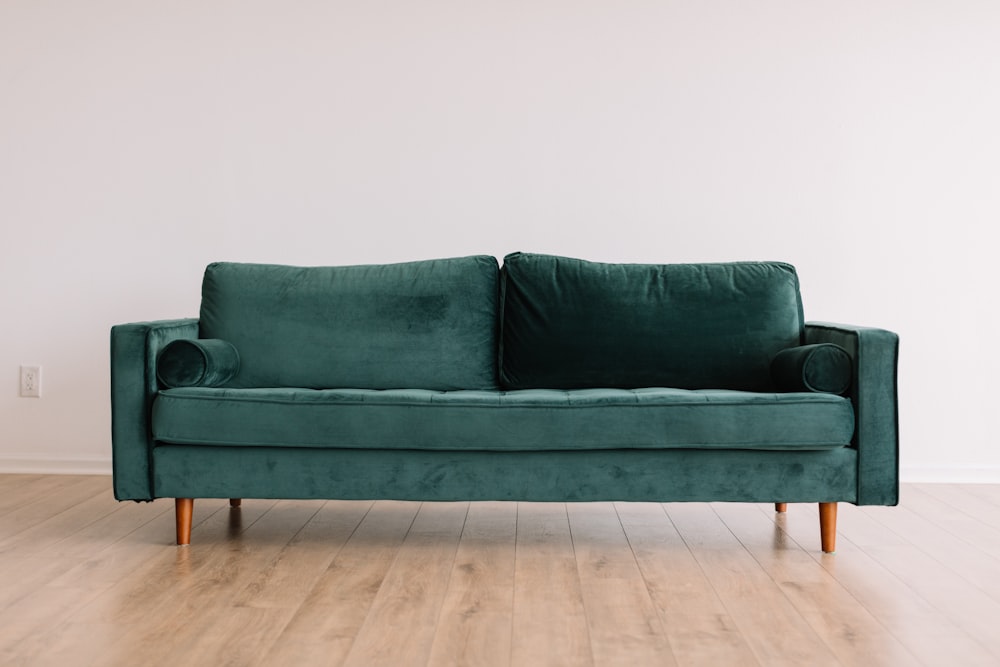
The foundation: Light wood floors (or a light wood-look if renovation is not possible), white or warm gray walls, and a light-colored sofa in linen or wool.
Furniture: A low-profile sofa with clean lines, a round or oval coffee table in light wood, and one or two armchairs. Keep furniture low to the ground. High, bulky pieces fight the airy Scandinavian feel.
Textiles: A wool or cotton throw draped over the sofa arm. Two to three cushions in muted tones (one textured, one solid, one with a subtle pattern). A flat-weave wool rug in cream, gray, or a muted geometric pattern.
Lighting: One statement pendant (paper lantern or woven shade), one floor lamp with a fabric shade, and candles. Scandinavian design leans heavily on candlelight, especially during dark months. Pillar candles in white or beeswax on a wooden tray are a staple. Browse paper lantern pendant shades and check listed diameter against the ceiling box, not the hotel-lobby crop.
Desk note: The lantern does not make the room Scandinavian. Winter light, one light wood, and 2700K do. The shade is the last 20 percent.
For more living room ideas in this style, see our guide on small living room decorating ideas.
Kitchen
Cabinets: Flat-front cabinets in white, light wood, or muted sage green. No ornate molding or raised panels. Leather or brass pulls replace traditional handles.
Countertops: White quartz, light-colored wood butcher block, or pale stone. Nothing busy or heavily veined.
Open shelving: One or two open shelves displaying everyday ceramics, wooden utensils, and a few plants. The items on display are functional: mugs you actually drink from, bowls you serve food in.
Backsplash: White square tile in a straight stack pattern or a simple white slab. Zellige tile works well here if you want subtle texture.
Bedroom
Bed: A low platform bed frame in light wood, or a simple upholstered frame in white or gray linen. Heavy, ornate headboards do not fit the style.
Bedding: White or cream linen bedding with a textured wool or cotton throw at the foot. Layer different textures rather than different colors. A linen duvet cover set in natural white sets the right foundation.
Nightstands: Small, simple wood nightstands or wall-mounted shelves. Each holds only what you need within reach: a lamp, a book, a glass of water.
For more bedroom styling approaches, see our guide on bedroom color schemes.
Bathroom
Tile: Large-format white or light gray tiles with minimal grout lines. Small mosaics are less common in Scandinavian bathrooms.
Vanity: Wood vanity with a white vessel sink, or a floating white vanity with wood accents. Open shelving underneath for towels.
Accessories: White or cream towels, a wooden soap dish, one green plant (pothos or fern), and a simple round mirror with a thin frame.
Home office
Desk: A simple desk in light wood with hairpin or straight legs. No drawers built in. Use a separate shelving unit or filing cabinet.
Chair: A clean-lined wood chair with a sheepskin or cushion for comfort. Or a modern task chair in white or light gray.
Organization: Visible clutter defeats the purpose. Use closed boxes and file organizers. Keep the desktop limited to a laptop, a lamp, and one personal item.
For more workspace ideas, read our home office decor ideas guide.
Common mistakes when attempting Scandinavian design
Going too cold. All-white rooms with no textiles, no wood warmth, and no soft lighting feel clinical, not Scandinavian. The whole point of Scandinavian design is creating warmth through natural materials. If your room feels cold, add wool, wood, and candles.
Buying everything from one store. A room furnished entirely from IKEA can look flat. Mix in vintage pieces, local pottery, and one or two higher-quality items to create depth.
Forgetting about hygge. Hygge, the Danish concept of coziness and comfortable conviviality, is the emotional core of Scandinavian interiors. If the room does not feel like a place you want to curl up with a blanket and a hot drink, something is missing.
Over-accessorizing. Scandinavian design uses restraint. One vase, not five. One piece of art per wall, not a dense gallery. One throw, not a pile. Every item should have breathing room around it.
Ignoring lighting. Flat overhead lighting ruins the Scandinavian mood. Use multiple sources: ambient, task, and candles. Dimmer switches are common in Nordic homes.
Scandinavian design on a budget
You do not need designer furniture to achieve this style. Here is where to invest and where to save:
| Invest in | Save on |
|---|---|
| A solid wood dining table or coffee table | Shelving (IKEA Kallax and Billy work perfectly) |
| Quality linen or wool textiles | Small decor items (thrift stores, local potters) |
| One good pendant light fixture | Basic white ceramics (IKEA, Target) |
| Comfortable sofa with clean lines | Wall art (free museum prints, personal photos) |
Bottom line
Scandinavian design is not a surface treatment you apply with white paint and a few wooden accessories. It is a set of principles: prioritize light, choose natural materials, keep only what is functional and beautiful, and build warmth through texture rather than clutter. Applied honestly, the result is a home that feels calm, inviting, and durable, one that ages well because the materials age well and because the aesthetic does not depend on trends.
Frequently Asked Questions
What is the difference between Scandinavian and minimalist design?
Minimalism focuses on reducing to the essentials, often with a cool or industrial edge. Scandinavian design shares the less-is-more approach but adds warmth through natural materials (wood, wool, linen), soft lighting (candles, fabric-shaded lamps), and the concept of hygge. A minimalist room can feel stark. A Scandinavian room should feel warm. The current US-market cousin of that idea is warm minimalism, which keeps the edit but swaps gray for caramel and chocolate brown.
Is Scandinavian design expensive?
The individual pieces cost more because the philosophy values quality materials and craftsmanship. But you buy fewer of them, and they last longer. A well-made oak table outlasts several cheaper alternatives. You can achieve the look on a moderate budget by mixing affordable basics (IKEA shelving, Target textiles) with a few quality pieces (a solid wood table, a wool rug).
What flooring works best for Scandinavian style?
Light-toned hardwood is the ideal: white oak, ash, or birch in a matte or satin finish. If hardwood is not in the budget, light wood-look luxury vinyl plank (LVP) is a practical alternative. Avoid dark-stained floors, high-gloss finishes, and carpet (except wool area rugs over hard flooring).
Can I do Scandinavian design in a warm climate?
Yes. The principles of light, natural materials, and functional minimalism work in any climate. Skip the heavy wool throws and sheepskins if your winters are mild, and lean into linen textiles and lighter wood tones. The emphasis on natural light and uncluttered spaces actually suits warm climates well. \n
Video guide
Watch this helpful tutorial for a visual walkthrough:
Video by D.Signers on YouTube.
Sources
- Daylight first, then candles and lamps: The Spruce, What Is Scandinavian Style?
- Soft, warm 2700K as a labeled home shade: ENERGY STAR, Renovate with ENERGY STAR LED lighting
- Wikipedia, Scandinavian design